
How faith-based education is shaping students, teachers, and learning environments across the USA
Christian school education in the United States has been growing steadily, not just in numbers, but in influence. Today’s Christian schools are not the same as they were decades ago. While faith remains at the center, classrooms have evolved to meet modern academic needs, student well-being, and real-world challenges.
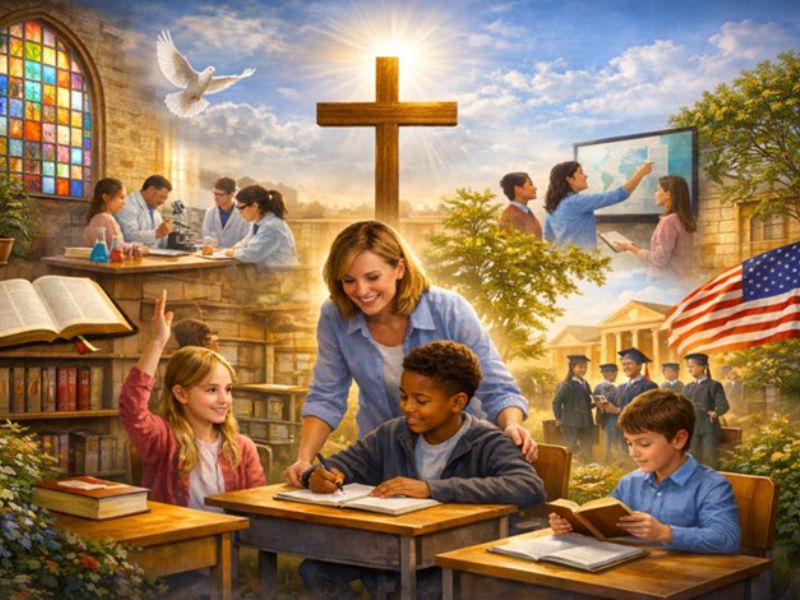
Across the country, Christian schools are creating learning spaces that focus on both knowledge and character. These schools aim to educate the whole child, helping students grow academically, emotionally, socially, and spiritually. For many families, teachers, and students, this balanced approach is what makes Christian education stand out in today’s education landscape.
The importance of Christian education today
Christian schools play an important role in the US education system by offering an alternative learning environment rooted in values. These schools focus on strong academics while also teaching respect, kindness, responsibility, and purpose.
In a fast-changing world, many families are looking for schools that provide stability and moral guidance along with education. Christian schools aim to help students understand not only what they are learning, but why it matters. Lessons are often connected to real life, encouraging students to think deeply, act responsibly, and care for others.
For teachers, Christian education provides a mission-driven environment. Educators are not just teaching subjects; they are helping shape lives. This sense of purpose often leads to strong teacher-student relationships and a supportive school culture.
Benefits for students and teachers
Christian schools offer many benefits for students. Class sizes are often smaller, allowing teachers to give more personal attention. Students feel seen, supported, and encouraged to ask questions and express themselves.
Teachers benefit from working in classrooms where values guide behavior and learning. Respect and discipline are often emphasized, creating calmer and more focused classrooms. Many teachers say they feel more fulfilled because they can teach academics alongside life lessons such as empathy, integrity, and service.
Students also benefit emotionally and mentally. Christian schools often focus on community, belonging, and emotional support. Morning prayers, reflection time, and character discussions help students feel grounded and connected.
How Christian schools differ from public schools
One of the main differences between Christian schools and public schools is the role of faith in daily learning. In Christian classrooms, faith is integrated naturally into lessons, activities, and school culture.
This does not mean academics are ignored. In fact, many Christian schools maintain high academic standards and strong college preparation programs. The difference lies in the approach. Education is viewed as more than test scores or grades. It is about shaping thoughtful, responsible individuals.
Christian schools often have more flexibility in curriculum design. This allows them to focus on values-based education, character development, and community service. Public schools serve a wide population and follow government guidelines, while Christian schools operate independently with a faith-centered mission.
What students learn the most in Christian classrooms
In addition to core subjects like math, science, reading, and history, students in Christian schools learn life skills that stay with them beyond graduation.
They learn responsibility by being accountable for their actions. They learn compassion through service projects and community involvement. They learn respect by understanding the value of every individual.
Christian education often emphasizes leadership, teamwork, and service. Students are encouraged to help others, stand up for what is right, and act with integrity. These lessons prepare them not just for careers, but for life.
Why families choose Christian schools
Families choose Christian schools for many reasons. Some want education rooted in faith. Others are looking for a safe and supportive environment where their child feels valued.
Parents often appreciate the close connection between teachers, families, and students. Communication tends to be open, and parents feel involved in their child’s learning journey.
Another reason is character education. In a world filled with pressure and distractions, families want schools that help children build strong values and confidence. Christian schools aim to provide that foundation.
Modern Christian classrooms and learning environments
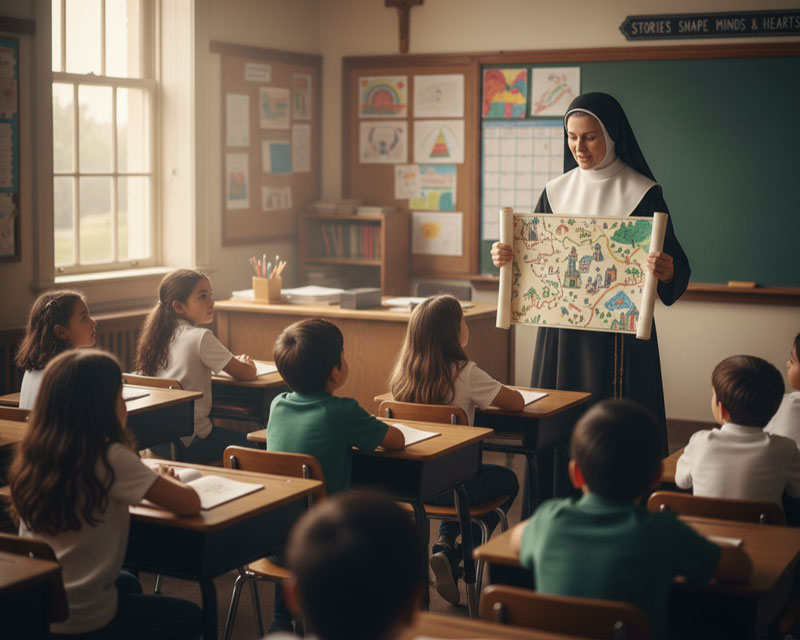
Today’s Christian classrooms are modern and forward-looking. Technology, digital learning tools, and updated teaching methods are widely used. Interactive lessons, project-based learning, and creative activities are common.
Christian schools are also paying more attention to mental health and emotional well-being. Teachers are trained to support students who may be struggling and to create classrooms where students feel safe and respected.
Faith-based education today is not about limiting thinking. It is about encouraging thoughtful discussion, curiosity, and growth while staying grounded in values.
Preparing students for the future
Christian schools are focused on preparing students for a changing world. Colleges and employers value skills such as communication, adaptability, teamwork, and ethical decision-making. These are areas where Christian education often excels.
By combining academics with character education, Christian schools aim to prepare students to succeed in higher education, careers, and life. Students graduate not only with knowledge, but with a sense of purpose and direction.
Christian education today is about balance. It is about strong learning, meaningful relationships, and faith-based values working together.
As education continues to evolve in the United States, Christian schools remain an important part of the conversation. They offer classrooms where learning is meaningful, teachers are mission-driven, and students are encouraged to grow into thoughtful and responsible individuals.