

How faith-based education is shaping confident students and committed teachers in modern America
Catholic school education has been a strong part of the American education system for generations. Even as education continues to change with technology, new teaching methods, and shifting student needs, Catholic schools remain deeply relevant. Today, they offer more than academic learning. They focus on values, discipline, community, and personal growth, creating a balanced learning environment for both students and teachers.
In today’s fast-moving world, many families and educators are asking important questions. What kind of education truly prepares students for life? How can schools better support teachers? Catholic schools provide clear answers through a learning model built on purpose, respect, and holistic development.
The importance of Catholic school education today
Catholic schools play an important role in shaping young minds beyond textbooks and exams. Their education model is rooted in strong moral values, responsibility, and service to others. This helps students grow not just as learners, but as thoughtful human beings.
In today’s world, students face pressure from social media, competition, and mental health challenges. Catholic schools focus on character development, helping students build inner strength, kindness, and confidence. Morning prayers, reflection time, and community service help students slow down, reflect, and understand the importance of empathy and gratitude.
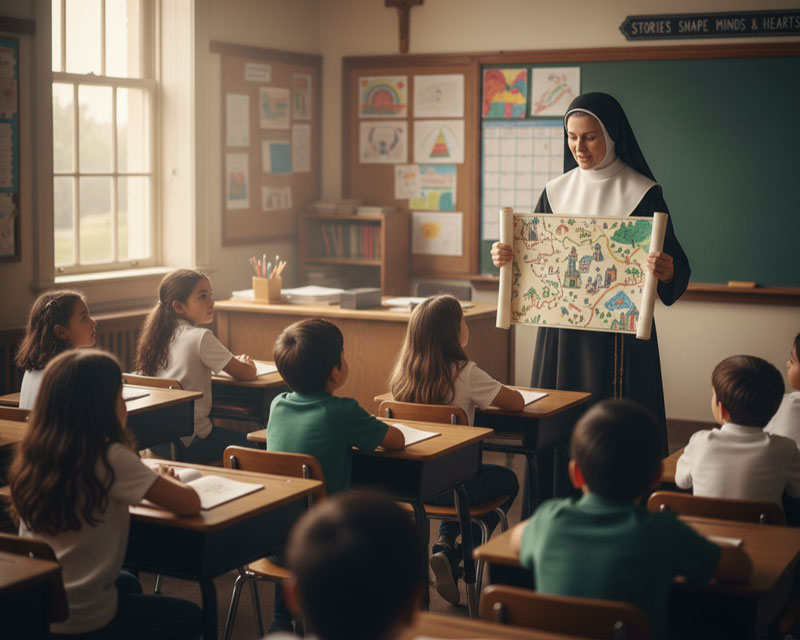
For teachers, Catholic schools offer a sense of purpose in teaching. Educators are not only instructors but mentors. They guide students academically while also supporting their emotional and moral growth. This deeper connection often leads to more meaningful teaching experiences.
Benefits of Catholic schools for both teachers and students
Catholic schools create a close-knit learning environment where relationships matter. Class sizes are often smaller, allowing teachers to give more personal attention to students. This helps students feel seen, heard, and supported.
For students, this means better learning outcomes and stronger confidence. Teachers can identify learning gaps early and provide support before students fall behind. Students also benefit from a structured environment that encourages discipline, respect, and responsibility.
Teachers benefit from a strong sense of community and shared values. Many Catholic school educators feel supported by school leadership and families. Collaboration is encouraged, and teachers often feel respected for their role in shaping young lives.
Catholic schools also emphasize lifelong learning for educators. Professional development is often connected not just to teaching skills but also to personal growth, leadership, and ethical decision-making.
How Catholic schools are different from public schools
Catholic schools and public schools both aim to educate students, but their approaches can be very different. Public schools follow a standardized system designed to serve large and diverse populations. Catholic schools, on the other hand, focus on a value-based education model.
One major difference is the integration of faith into daily learning. Catholic schools connect academic subjects with moral lessons. For example, science classes may include discussions about caring for the environment, while history lessons may focus on justice and human dignity.
Another difference is discipline and structure. Catholic schools often maintain clear expectations for behavior, uniforms, and conduct. This structure helps students develop self-discipline and focus, which supports academic success.
Parental involvement is also often stronger in Catholic schools. Families actively participate in school life, creating a supportive partnership between home and school.
What students learn the most in Catholic schools
Academic excellence remains a core focus of Catholic schools. Students receive strong instruction in reading, math, science, and social studies. However, what truly sets Catholic education apart is what students learn beyond academics.
Students learn values such as respect, honesty, compassion, and service. They are encouraged to help others, give back to their communities, and stand up for what is right. Community service projects and volunteer work help students understand real-world issues and their role in creating positive change.
Catholic schools also teach students the importance of leadership and responsibility. Students often take part in group activities, school leadership roles, and faith-based initiatives that build confidence and teamwork.
Another important lesson is balance. Catholic education emphasizes mental, emotional, spiritual, and academic well-being. This balanced approach helps students handle stress, make thoughtful decisions, and grow into well-rounded individuals.
Why families choose Catholic schools today
Many families choose Catholic schools because they want an education that aligns with their values. Parents look for schools that teach respect, kindness, and responsibility alongside academics.
Safety and discipline are also important factors. Catholic schools are often known for structured environments where students feel secure and supported. This sense of safety allows students to focus on learning and personal growth.
Families also appreciate the strong sense of community. Catholic schools often feel like extended families, where students, teachers, and parents work together. This connection creates trust and consistency in a child’s education.
For teachers and students alike, Catholic schools offer something meaningful. They are places where education is not rushed, values are respected, and learning is connected to real life.
In today’s education landscape, Catholic schools continue to stand as places of purpose, faith, and growth. They prepare students not just for college or careers, but for life. For teachers, they provide a space to teach with heart and intention. For students, they offer guidance, structure, and a strong foundation for the future.