
A closer look at community, values, and everyday campus life that shape students beyond the classroom
Student life plays a big role in how young people experience college. For many students and teachers in the United States, Catholic colleges stand out because campus life feels different from large public or private universities. These colleges focus not only on academics, but also on personal growth, values, and strong community connections. While every college experience is unique, student life at Catholic colleges often follows a shared approach that combines learning, service, and belonging.
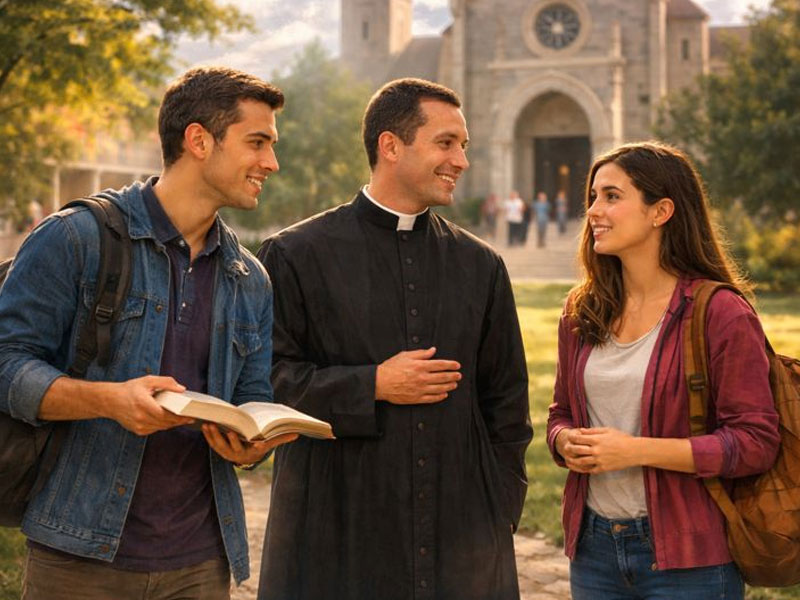
One of the most noticeable differences at Catholic colleges is the strong sense of community. Campuses are often smaller, which makes it easier for students to feel seen and supported. Students quickly get to know their classmates, professors, and staff. This close environment helps new students adjust faster and feel comfortable asking for help, whether it is for academics, personal issues, or career guidance.
Daily campus life at Catholic colleges encourages balance. Students attend classes, take part in clubs, play sports, and join campus activities, just like at any other college. However, there is also space for reflection, service, and personal development. Many campuses offer quiet areas, chapels, or reflection rooms where students can pause and recharge. This helps students manage stress and stay focused during busy academic schedules.
Another important part of student life is the emphasis on values. Catholic colleges encourage respect, kindness, honesty, and responsibility. These values are not forced but are often part of the campus culture. Students are encouraged to treat each other with care and respect, creating a safe and welcoming environment. This atmosphere is especially helpful for students who value emotional well-being and supportive relationships.
Service learning is also a key part of the student experience. Many Catholic colleges encourage students to give back to local communities through volunteering, outreach programs, and service projects. These activities help students understand real-world challenges and develop empathy. For teachers, this approach supports learning beyond textbooks by connecting classroom lessons to real-life experiences.
Student clubs and organizations at Catholic colleges are diverse and active. Students can join academic clubs, cultural groups, sports teams, music groups, debate clubs, and leadership programs. There are also faith-based groups for students who want to explore spirituality, but participation is always a choice. Students from different backgrounds and beliefs are welcomed and respected on campus.
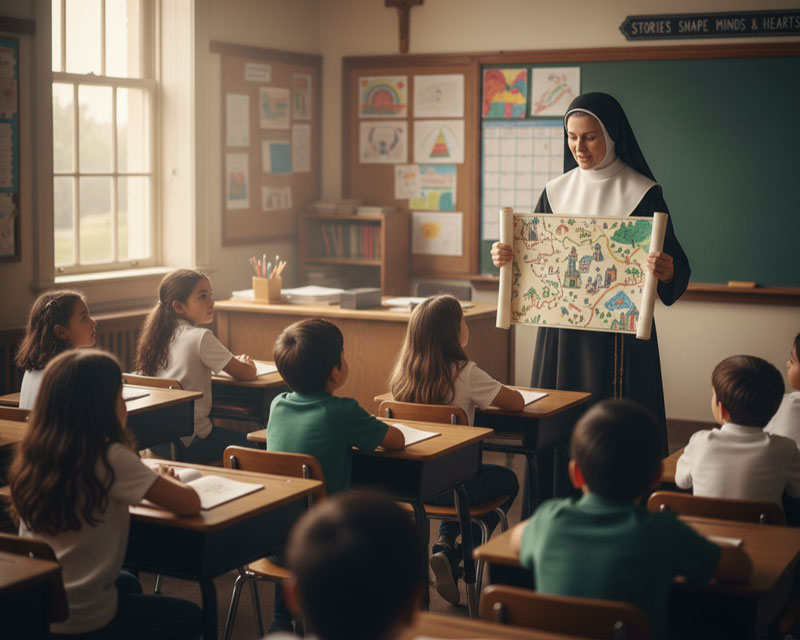
For many students, the relationship with professors is another major difference. Faculty members at Catholic colleges often focus on teaching and mentoring. Small class sizes allow professors to know students by name and understand their learning styles. This creates open communication and helps students feel confident in discussions and group work. Teachers working at these colleges also benefit from stronger classroom engagement and meaningful connections with students.
Mental health and well-being are taken seriously at Catholic colleges. Many campuses offer counseling services, wellness programs, peer support groups, and stress-management activities. The focus is on the whole person, not just academic success. Students are encouraged to take care of their mental and emotional health while building healthy routines.
Diversity and inclusion are also part of student life. Catholic colleges welcome students from different cultures, religions, and backgrounds. Many students attending Catholic colleges today are not Catholic. They choose these institutions for their academic quality, campus safety, and strong community values. Open dialogue and mutual respect are encouraged, helping students learn from one another.
Career preparation is woven into campus life as well. Internships, career counseling, resume workshops, and networking events help students prepare for life after graduation. Students are taught to think not only about jobs, but also about purpose and long-term goals. This approach helps students enter the workforce with confidence and strong ethical foundations.
Technology is also part of modern student life at Catholic colleges. Campuses use digital tools, online learning platforms, and modern classrooms. At the same time, they emphasize face-to-face interaction and meaningful communication, helping students balance screen time with real human connection.
The overall experience at Catholic colleges is shaped by a clear focus on growth, responsibility, and community. Students are supported academically, emotionally, and socially. Teachers find a learning environment that values connection and purpose. This combination makes student life at Catholic colleges feel personal, structured, and meaningful.