

Simple shifts in learning, strong leadership in classrooms, and a future where students grow beyond textbooks
Today, US high school education is quietly going through one of its most important transformations. These changes are not loud or dramatic, but they are meaningful. It is happening inside classrooms, hallways, and online spaces where teachers and students connect every day. At the center of the shift is leadership based on authority, but leadership based on guidance, trust, and vision.
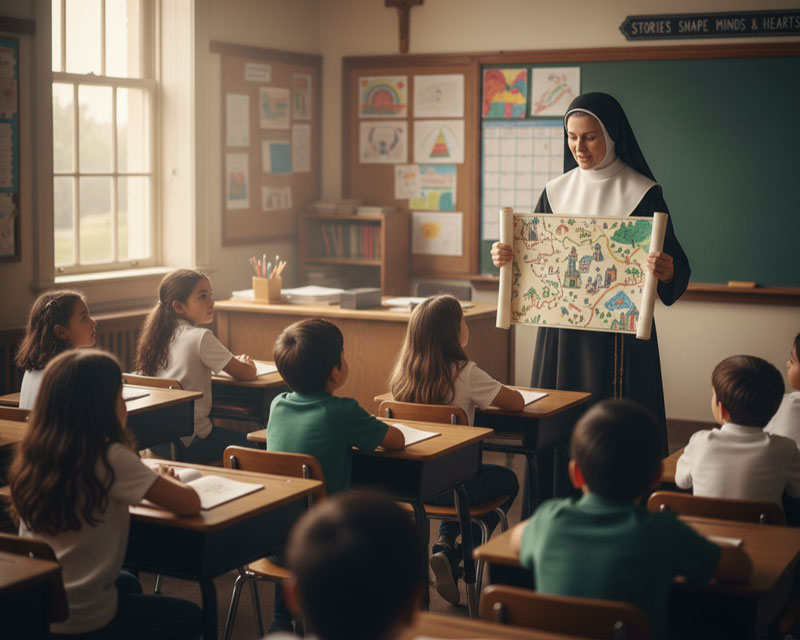
High schools are not just places to memorize facts and pass exams. They are becoming spaces for collaboration and leadership in real life. Teachers are stepping into the role of mentors, and students are being encouraged to take ownership of their learning journey.
What is changing in US high schools today
One of the biggest changes in high school education is how learning looks and feels. Lessons are becoming more student-centered. Instead of only listening to lectures, students are working on projects, group discussions, presentations, and real-world problems. This helps them understand not just what to learn, but why it matters.
Technology has also become a daily part of learning. Digital tools, online resources, learning platforms, and virtual classrooms are now normal. This does not mean teachers are being replaced. Instead, teachers are using technology to support different learning styles and help students move at their own pace.
Mental health awareness is another major shift. Schools are paying more attention to student well-being. Teachers are being trained to notice stress, anxiety, and burnout. Students are being taught that asking for help is a strength, not a weakness. This human-focused approach is changing the school culture for the better.
Leadership in today’s classrooms
Leadership in modern high schools is not limited to principals or administrators. Teachers are leaders every time they inspire curiosity, listen with empathy, and guide students through challenges. Strong educational leadership today means creating safe spaces where students feel heard and valued.
Students are also being encouraged to lead. Through student councils, clubs, community projects, and classroom activities, they are learning responsibility, teamwork, and confidence. These leadership skills are not taught through textbooks but through experience.
Teachers who lead well focus on growth, not perfection. They encourage questions, allow mistakes, and help students learn from failure. This kind of leadership prepares students for life beyond school.
How teaching methods are evolving
Teaching methods in US high schools are becoming more flexible. Personalized learning is gaining attention. This means students can explore their interests while still meeting academic goals. Career-focused pathways, skill-based learning, and real-world applications are becoming part of the curriculum.
There is also a growing focus on critical thinking rather than rote learning. Students are asked to analyze, reflect, and solve problems instead of just remembering answers. This prepares them for future careers where adaptability is key.
Collaboration between teachers is increasing as well. Educators are sharing ideas, tools, and strategies to improve student outcomes. Leadership here means learning together and supporting each other.
What changes may come in the near future?
Looking ahead, US high schools are likely to become even more flexible and inclusive. Learning may happen beyond classrooms, through internships, community involvement, and virtual experiences. Education may focus more on life skills such as communication, financial literacy, emotional intelligence, and digital responsibility.
Technology will continue to grow, but with balance. Schools may use artificial intelligence tools to support learning, while still keeping a human connection at the center. Teachers will remain guides who help students make sense of information, not just consume it.
Assessment methods may also change. Instead of only exams, students may be evaluated through projects, portfolios, and real-world performance. This will help measure true understanding and skills.
Leadership will play a key role in managing these changes. Education leaders will need to listen, adapt, and stay focused on student growth rather than trends.
Why this matters to teachers and students
For teachers, these changes offer a chance to redefine their impact. Teaching is no longer just about finishing a syllabus. It is about shaping confident, capable individuals. Leadership in teaching means being open to change and committed to lifelong learning.
For students, modern high school education offers more voice and choice. They are being prepared not just for college, but for life. They are learning how to think independently, work with others, and lead with empathy. This shift is building a future where education is meaningful, inclusive, and empowering.
As US high schools continue to evolve, strong leadership from educators and active participation from students will shape a system that truly prepares young minds for the future. The journey has already begun, and its impact will be felt for generations to come.